Introduction
In today's health care landscape, the importance of specialized training can not be overemphasized. One location where regular education and learning is specifically critical is nursing wound care training. With the expanding prevalence of persistent injuries and complex wound care management, staying abreast of the most up to date strategies, technologies, and ideal practices is necessary for nurses. This comprehensive post looks into the myriad benefits of ongoing education and learning in nursing wound care training, highlighting the need for registered nurses to take part in wound care specialist training and relevant courses.
The Benefits of Continuous Education in Nursing Wound Treatment Training
Ongoing education and learning in nursing wound care training is paramount for numerous reasons. Firstly, it outfits medical care professionals with the knowledge necessary to supply optimum client treatment. The field of injury care is constantly progressing, as brand-new research arises bordering ideal methods and cutting-edge therapy methods. Proceeding education and learning guarantees that registered nurses stay present on these advancements.
Additionally, ongoing education and learning fosters expert growth. By taking part in advanced wound care training courses or ending up being licensed as an injury care registered nurse, experts not only enhance their capability yet also open doors to career development opportunities.
Moreover, specialized education and learning can lead to enhanced individual outcomes. Nurses furnished with existing expertise and abilities are better positioned to evaluate wounds precisely and apply reliable therapy strategies. This translates straight right into lowered recovery times and a decrease in complications for patients.
Understanding Wound Care: An Overview
What Is Wound Care?
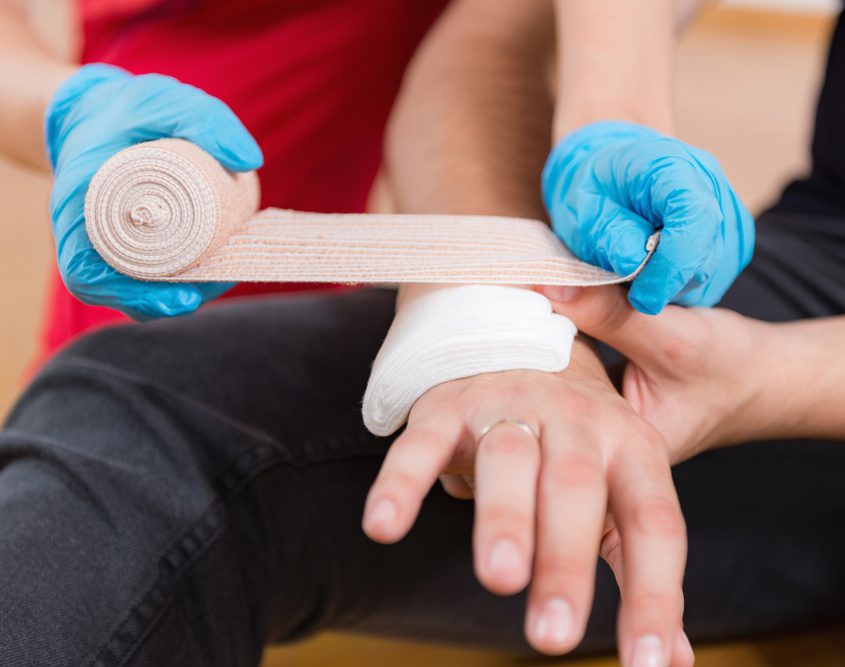
Wound treatment includes different techniques focused on avoiding infection, promoting healing, and handling discomfort connected with injuries or procedures. It includes basic wound care training in addition to even more facility interventions for persistent injury care management.
Types of Wounds
Acute Injuries: These result from surgery or injury and normally recover within a couple of weeks. Chronic Wounds: These do not proceed via the typical phases of healing and might require comprehensive management. Complex Injuries: These involve several layers of cells damages and commonly necessitate specialized interventions.Why Go after Continued Education in Nursing Injury Care?
Evolving Practices
The landscape of healthcare is constantly altering because of technological developments and study advancements. Continuous education and learning aids registered nurses stay informed concerning these changes.
https://erickbygc980.wpsuo.com/the-benefits-of-ongoing-education-and-learning-in-nursing-wound-care-trainingImproved Person Outcomes
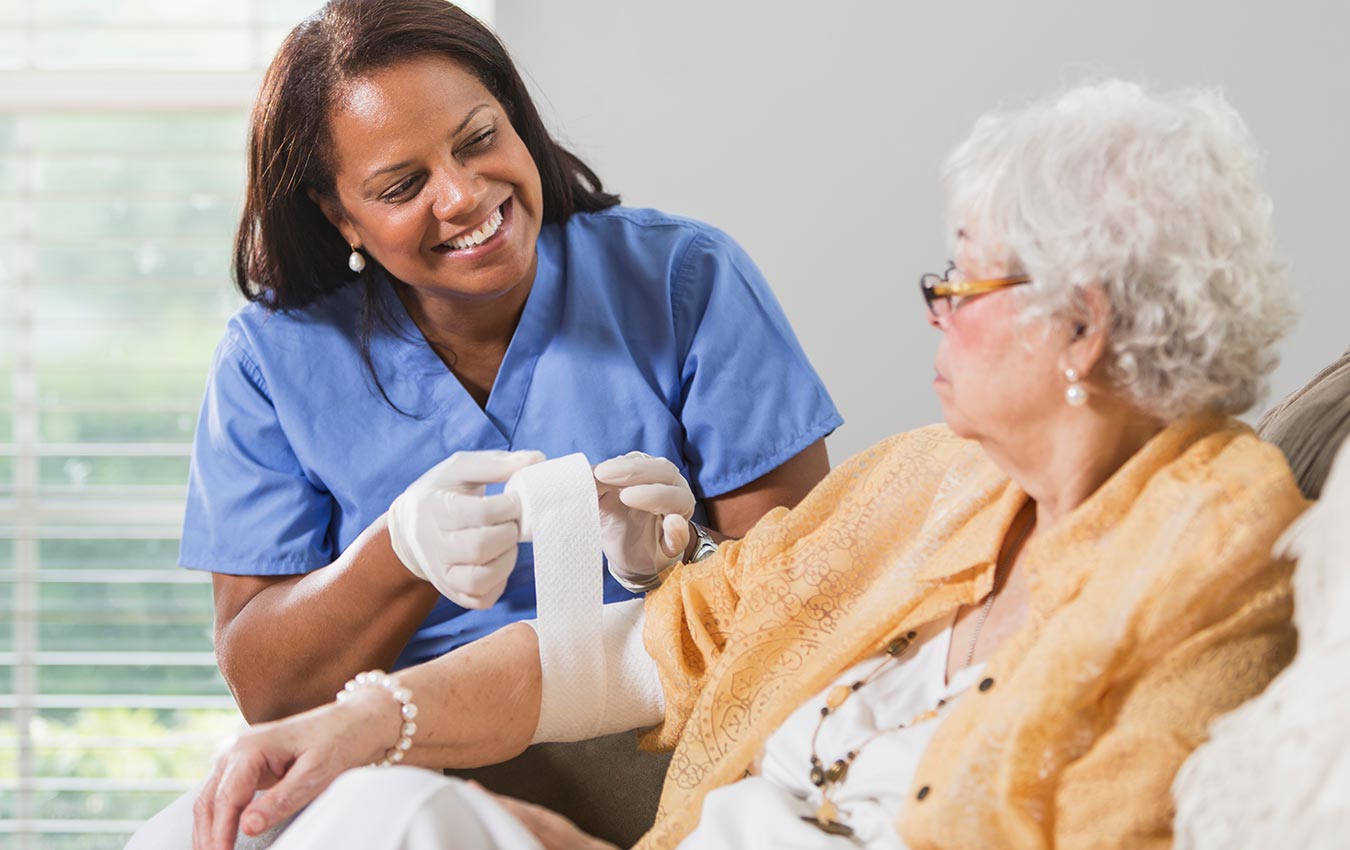
When registered nurses get updated training in locations like NDIS wound care or sophisticated strategies for chronic wounds, they can substantially improve individual healing processes.
Career Improvement Opportunities
By engaging in specific programs such as wound care nurse training or getting certifications via trusted organizations, nurses place themselves for promotions or sophisticated roles within their institutions.
Key Components of Reliable Wound Treatment Training
Comprehensive Educational program Development
A robust curriculum should include both theoretical understanding and practical abilities. This includes understanding composition pertaining to injuries, identifying indicators of infection, and mastering numerous dressing techniques.
Hands-On Experience
Practical application via simulations or medical method is vital for efficient learning. Students can benefit from workshops that enable them to practice complex procedures under supervision.
Types of Wound Care Training Courses Available
Basic Wound Treatment Training- Focuses on basic principles Ideal for brand-new nurses
- Delve deeper into persistent wound management Suitable for skilled practitioners
- Include credentials like CWCN (Licensed Wound Treatment Nurse) Enhance specialist credibility
- Offer adaptability for busy professionals Cover a series of subjects from fundamental to sophisticated levels
Challenges Faced by Nurses Without Proceeded Education
Without ongoing education, registered nurses may struggle with out-of-date techniques that might compromise individual safety and security or cause mismanagement of wounds.

Knowledge Gaps
As medical guidelines evolve, failing to upgrade one's data base can cause inefficient treatments.
Increased Risk of Complications
Poorly taken care of wounds can lead to serious problems such as infections or prolonged recovery times-- concerns that recurring education and learning can prevent.
Integrating Technology Into Nursing Injury Treatment Training
Technology plays an essential duty in modern healthcare practices.
Telehealth Applications
Telehealth allows for remote assessments relating to wound analyses, making it possible for professionals to guide registered nurses with complicated situations without being literally present.
Smart Dressing Technologies
Innovative dressings furnished with sensing units can monitor recovery progression continually; therefore understanding these modern technologies is essential throughout training sessions.
The Function of Nursing Organizations in Ongoing Education
Professional companies such as the American Academy of Wound Management offer sources and assistance for continued knowing amongst nursing professionals.
FAQs Regarding Ongoing Education in Nursing Injury Care Training
1. What are the advantages of completing a wound treatment certification?
Completing a qualification boosts your competence, boosts individual results, enhances task opportunities, and enhances confidence in taking care of complicated cases.
2. How typically must nurses seek proceeding education in this field?
It's suggested to take part in recurring education and learning each year or biannually due to fast developments within the field.
3. Are on the internet courses reliable for learning more about wound care?
Yes! Online training courses provide adaptability while making sure extensive protection of vital concepts with interactive materials.
4. What prerequisites exist for innovative wound care courses?
A lot of sophisticated courses need prior experience or fundamental knowledge gotten from basic wound care training programs.
5. Can I specialize better after finishing basic nursing education?
Absolutely! Lots of specialization alternatives exist post-basic nursing education which focuses specifically on areas like chronic injury management.
6. Where can I discover reliable training programs?
Nursing organizations typically note certified programs; in addition investigating colleges that offer proceeding education debts can produce valuable information.
Conclusion
The advantages of recurring education and learning in nursing wound care training can not be overemphasized-- it's a financial investment not just in personal occupation growth yet also considerably influences patient health and wellness results positively. By staying positive concerning specialist development with programs concentrated on complex injuries or NDIS-related efforts like community-based evaluations, registered nurses guarantee they supply optimum patient-centered treatment continually over time.
In summary, going after ongoing education isn't simply helpful; it's necessary! Embrace the chance today due to the fact that your people depend on it-- therefore does your future success within this ever-evolving profession!